Property A
Industrial, Dandenong South
Value at 30 June 2027: $2,450,000
$1,250,000
$250,000
Pre-transition $1,250,000Post-transition $250,000
Treasury Laws Amendment (Tax Reform No. 1) Act 2026, Subdiv 112-E.
ElevateIQ values your commercial property for the 2027 capital gains tax transition, which splits your gain in two. A formula can set that split, or ElevateIQ’s signed valuation can set it using evidence specific to your property.
Fixed fees from $1,500 + GST per property through a partner agency, or $2,000 + GST direct.
Book before 28 February 2027 and take $500 off with your managing agent’s details.
*Partner agency customer rate
Capitalisation of market income (§6.2)
| Net market income (2,140 sqm @ $118/sqm) | $252,520 |
|---|---|
| Capitalisation rate | 6.00% |
| Capitalised value in perpetuity | $4,208,667 |
| Add: PV of over-rent, 3.2 years @ 6.50% | +$49,100 |
| Less: outstanding capital expenditure | −$35,000 |
| Value indicated, rounded | $4,225,000 |
6.39%
Initial (passing) yield
6.00%
Adopted capitalisation rate
5.98%
Reversionary yield
Comparable sales evidence (§5.1, five transactions)
| Address | GLA | Price | Rate | Yield |
|---|---|---|---|---|
| 7 Example Ave, Dandenong South | 1,640 sqm | $3,345,000 | $2,040/sqm | 5.85% |
| 14 Fictitious St, Dandenong South | 1,860 sqm | $3,730,000 | $2,005/sqm | 5.95% |
| 3 Notional Ct, Dandenong South | 2,200 sqm | $4,345,000 | $1,975/sqm | 6.00% |
| 22 Specimen Rd, Keysborough | 2,410 sqm | $4,650,000 | $1,929/sqm | 6.10% |
| 108 Sample Way, Braeside | 2,880 sqm | $5,415,000 | $1,880/sqm | 6.25% |
| Adopted, subject | 2,140 sqm | – | $1,975/sqm | 6.00% |
Direct comparison indicates $4,225,000 (2,140 sqm @ $1,975/sqm). Capitalisation of market income indicates $4,225,000. Market value adopted as at 30 June 2027: $4,225,000.
These figures are made up for illustration only. The rents, rates and yields shown are not reflective of actual rental rates or yields for this location. ElevateIQ prepares them as illustrative examples, and they are not taxation, legal or financial advice. Your accountant applies the law to your circumstances.
From 1 July 2027, new capital gains tax rules apply to certain Australian commercial properties. The market value of your property at 30 June 2027 sets the cost base your accountant works from, so a valuation report prepared now gives you an accurate starting point on file.
Start from a clear, accurate figure.
Lock in an accurate market value for your property before the new rules apply.
Support your future CGT calculations.
Your accountant can use the 30 June 2027 market value as the cost base for later events.
Keep a professional valuation report on file.
One signed valuation report supports taxation, estate, insurance and legal purposes.
Property-specific evidence gives your adviser more to work with.
Valuation date
30 June 2027
The transition value used for future CGT calculations.
Without a valuation, the apportioning formula supplies the split.
With a valuation, your accountant can also work from the property's market value at the date.
The valuation date fixes the starting point for any later gain, so capturing accurate evidence now protects that position.
Better evidence supports better decisions later.
Two commercial properties, both bought in July 2017 for $1.2 million and sold in July 2032 for $2.7 million. Both make a $1.5 million gain.
The formula splits that gain identically, because it reads dates and prices. One is a Dandenong South warehouse that ran hard to 2024 then flattened, the other a suburban office that recovered late. An accurate property valuation shows that difference clearly.
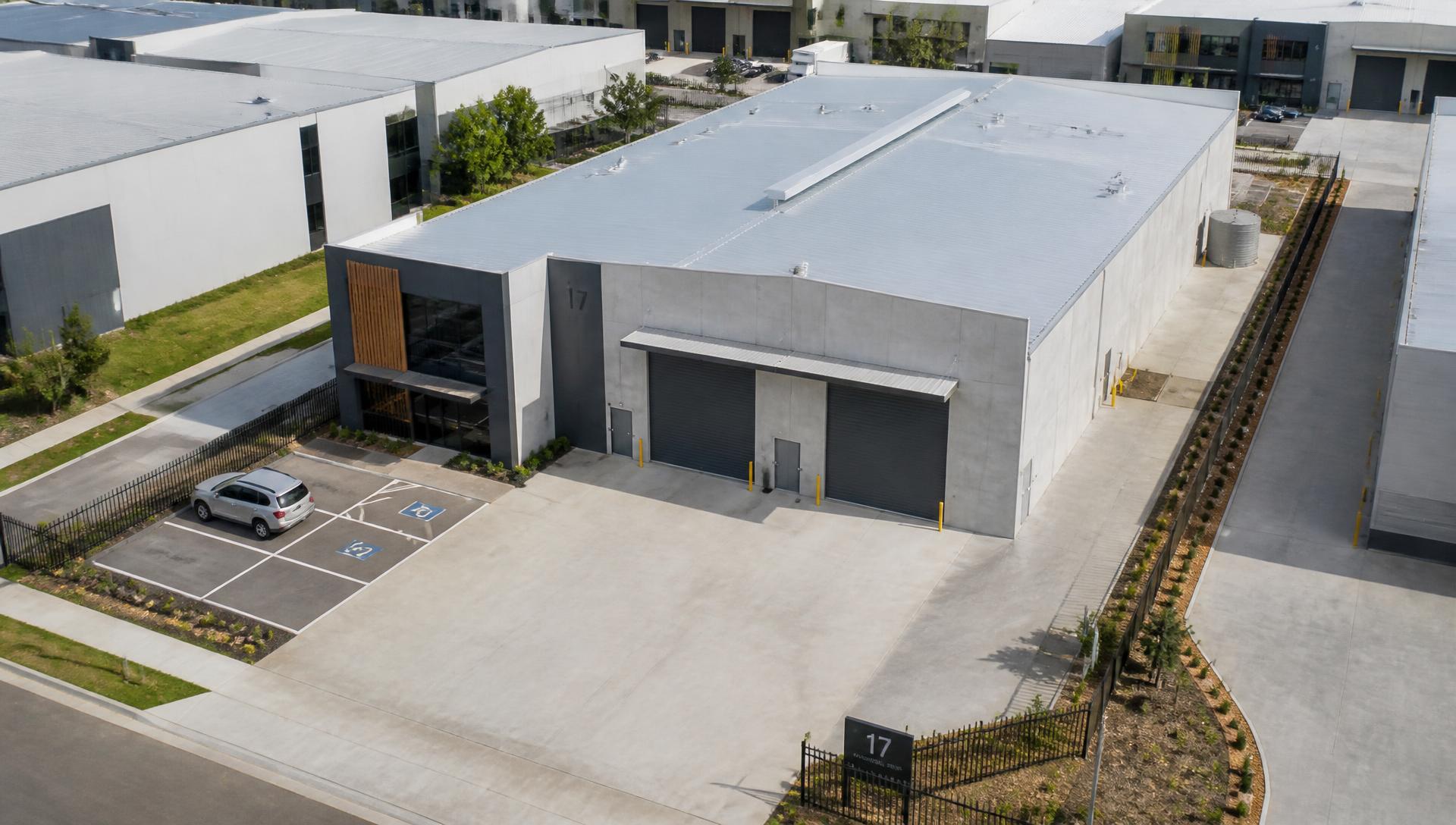
Property A
Industrial, Dandenong South
Value at 30 June 2027: $2,450,000
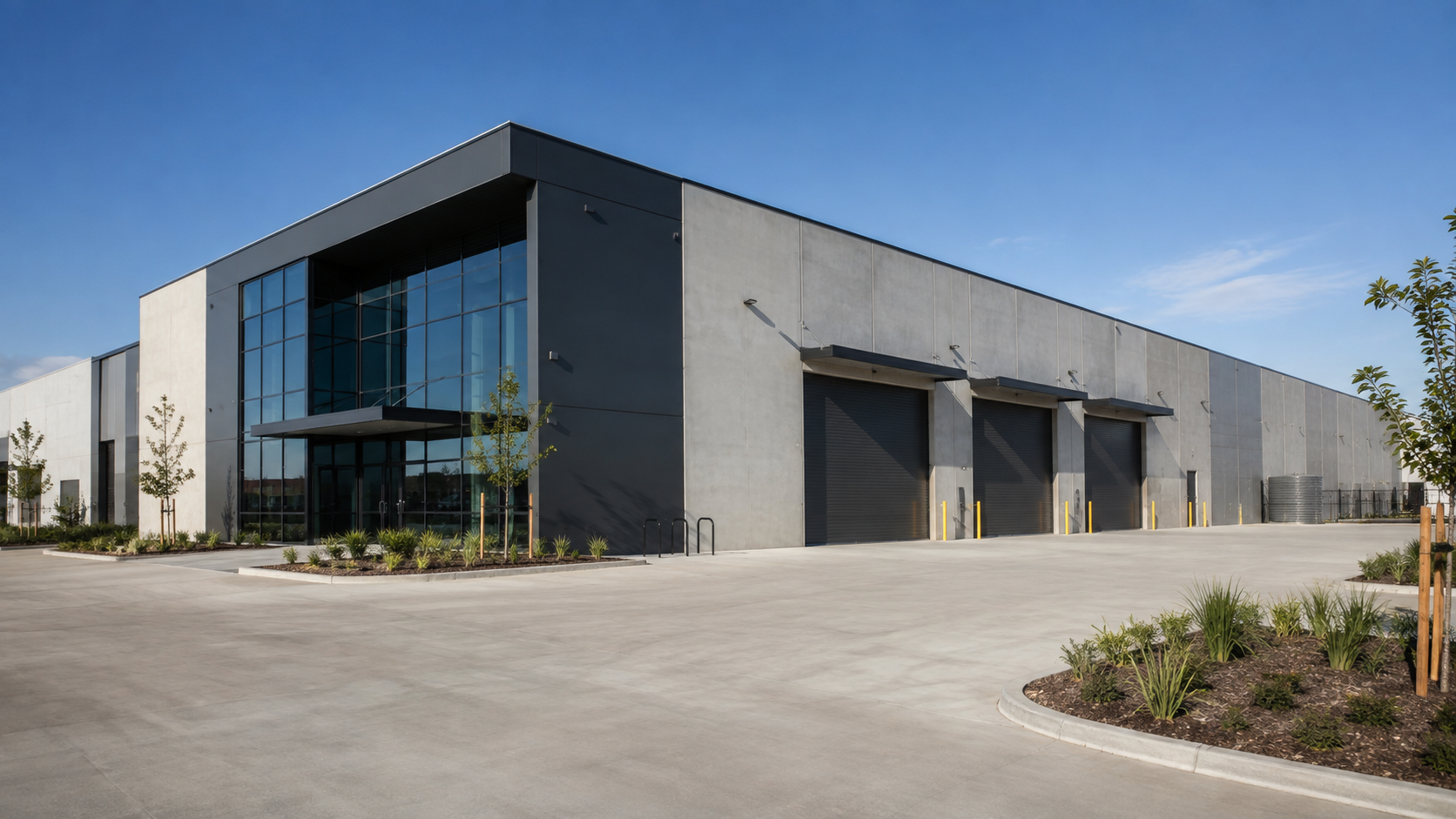
Property B
Suburban office, Box Hill
Value at 30 June 2027: $1,850,000
At 30 June 2027 they sat $600,000 apart. The formula returned the same number for both, because it reads dates and prices.
An accurate valuation shows exactly which property you own.
Your accountant decides which figure suits your position best. Property A holds more of the gain in the pre-transition component and Property B holds less, so having two figures to compare keeps the choice open to you.
Illustrative property imagery. Figures in this example are hypothetical and do not represent any actual property or transaction.
A legislative instrument sets the apportioning method, and it is not final yet. The formula figure shown is illustrative only.
ElevateIQ prepares property valuations. We are not registered tax agents and do not provide tax, accounting or financial advice.
Subdivision 112-E applies the capital gains tax transition to assets held by individuals and trusts. We confirm how your property is held, then confirm the valuation your accountant needs for the cost base.
Individuals and trusts
The deemed disposal applies at market value on 30 June 2027.
Partnerships
The transitional rules reach partnerships too.
Companies
Outside scope for assets bought after 20 September 1985, with a limited exception for assets bought before that date.
Self-managed super funds
Outside the transition, and an SMSF still reports market value every year.
SMSF appraisals from $650 + GST →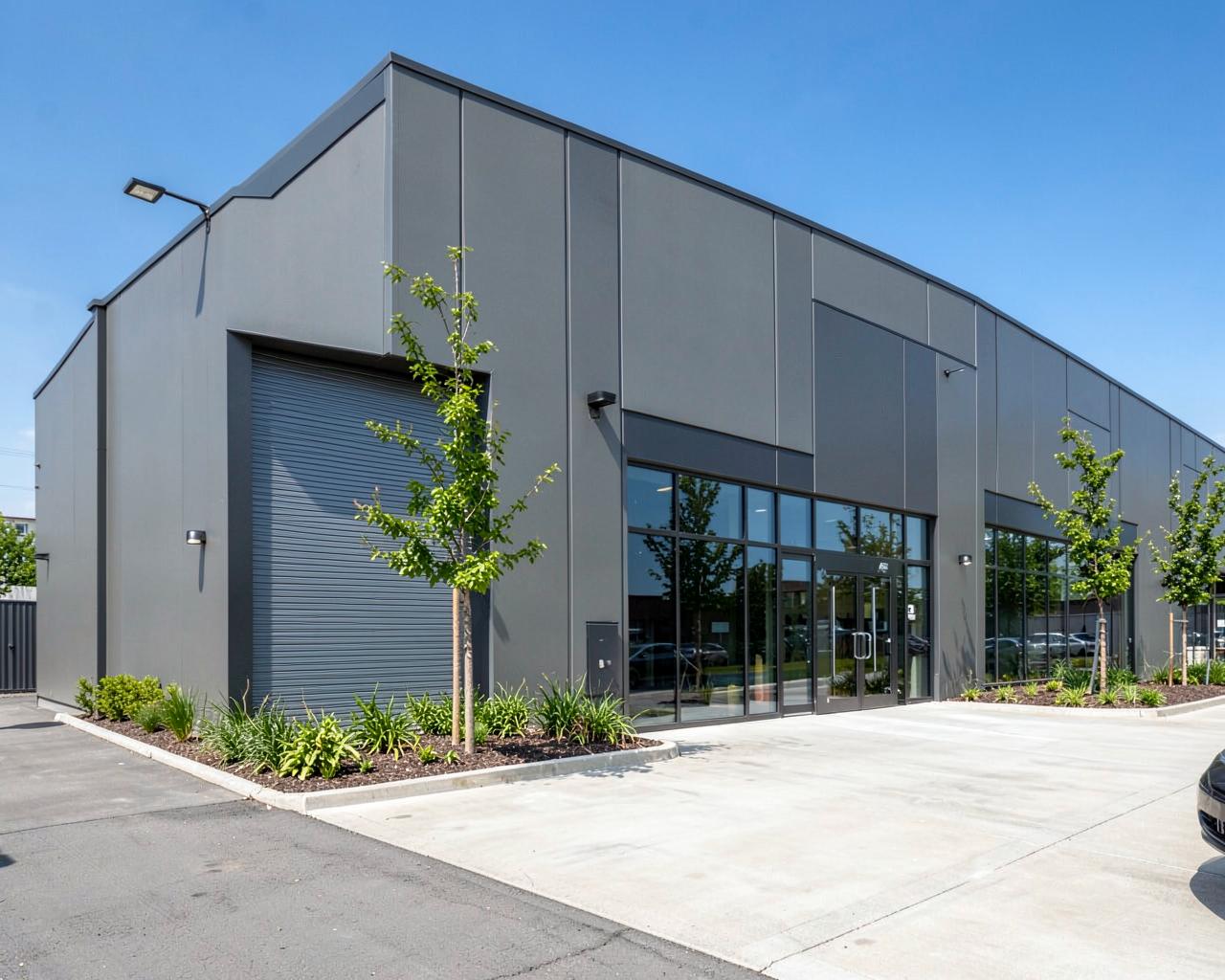
Tell us how your property is held and we’ll confirm the right next step for you.
Every ownership structure sits a little differently under the transition. Tell us how you hold the property and our valuation team will confirm the right next step for you.
| How the property is held | Position under Subdivision 112-E |
|---|---|
| Individual | Within scope, deemed disposal applies at market value |
| Family or unit trust (incl. corporate trustee) | Within scope, the trust is the relevant holder |
| Partnership | Within scope, the transitional rules reach partnerships |
| Company, asset bought after 20 September 1985 | Outside scope, companies keep their existing cost base |
| Company, asset bought before 20 September 1985 | Pre-CGT exception applies, confirm with your accountant |
| Self-managed super fund | Outside the transition, but an SMSF must hold market value evidence for its commercial property every year. SMSF appraisals from $650 + GST → |

Common, and the two need different reports. A property in a family trust needs a valuation dated 30 June 2027; the same owner’s SMSF property needs annual market value evidence instead. Register the first and we will scope the second at the same time.
ElevateIQ provides valuation services. Confirm tax treatment with your registered tax adviser. SMSF assets are handled under a separate appraisal product.
Your $500 deposit is applied in full against your fee. Provide your managing agent's details at registration and the fee drops $500, from $2,000 to $1,500 + GST. Registrations stay open to 28 February 2027, and early registrations are confirmed first while places last.
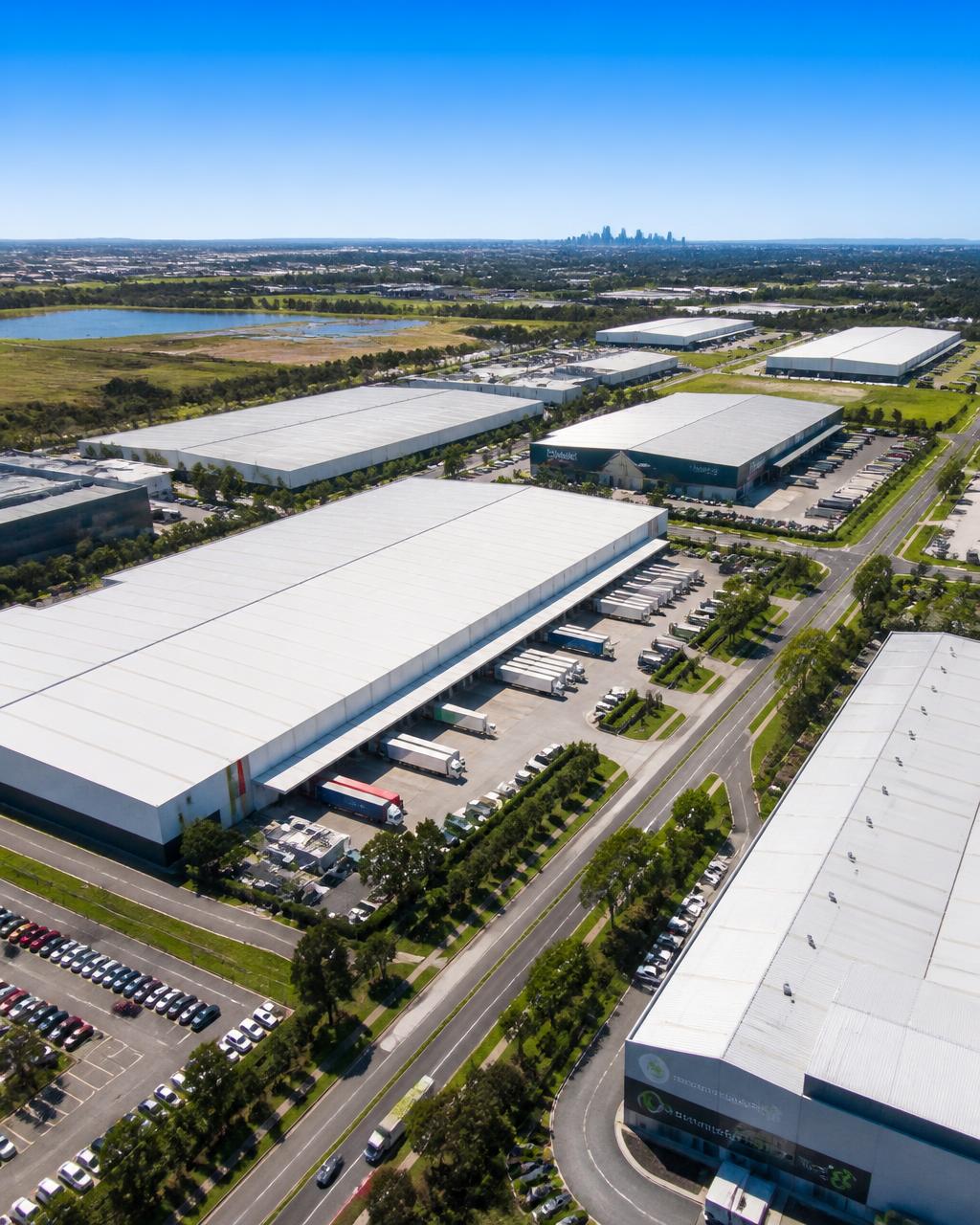
ElevateIQ captures evidence as deals are agreed, then analyses it in-house.
ElevateIQ sits inside a network of leading commercial agencies across Australia, so sales and leasing evidence is analysed as it happens.
Sales reach our valuers the moment a deal is done, months ahead of publication. Australia has no public leasing register, so we capture renewals and variations alongside new transactions to keep your market valuation accurate.
Evidence drawn only from new transactions gives a shallow sample. Renewals and variations round that picture out, so the market rent adopted reflects current market levels and supports an accurate asset value.
Dataset figures as at 31 August 2026, with ongoing transaction updates. Coverage spans office, retail, industrial, bulky goods, showroom and mixed-use property across all eight states and territories, analysed following the professional standards investors and lenders expect. Evidence is used in analysed form; individual transactions are not disclosed to third parties.
Comparable evidence decides the market value in your commercial property valuation, and that value becomes the capital gains tax cost base your accountant relies on. Three things shape the quality of that evidence.
Sales are registered on title. The commercial terms of a lease live in the managing agent’s file, which is where a valuation team with agency relationships reads them.
Every leasing figure in every commercial valuation in Australia comes from relationships built deal by deal. The question is only whose, and how many.
When a tenant renews, exercises an option or agrees a variation, no listing is created and nothing enters any public record.
In established precincts these transactions account for a substantial share of all leasing activity. They price differently to a fresh letting, with different incentive structures and different effective rents.
Capitalisation of market income is the primary approach, so market income is the most consequential input in the valuation.
New transactions alone give a shallow sample of the leasing market. In some instances that means adopting a market rent below current market levels, which can materially move asset values.
Evidence reaches most valuers by the public route, so a sale is commonly three to six months old by the time it is usable. Inside the network, the deal is known when it is done.
This matters most at the valuation date. Sales settling near 30 June 2027 will not appear in public records until late 2027 or beyond, which is precisely the evidence a 30 June 2027 valuation most needs, and precisely what a valuer working from published records will not have.
Dataset figures as at 31 August 2026, with ongoing transaction updates. Partner agencies contribute evidence under agreement, and ElevateIQ uses it in analysed form. We do not disclose individual transactions to third parties.
Owners often already hold a number. A signed property valuation report states market value at a fixed date in a form your accountant and the Australian Taxation Office can rely on and test.
Automated estimate
A model
Re-rates whenever the model updates. It reflects model inputs rather than a valuer's opinion dated to a point in time.
Agent appraisal
A licensed agent
An opinion given in a transactional context. Professional indemnity sits behind a signed valuation instead.
Valuation
An AAPI Certified Practising Valuer
Market value at a stated date, supported by analysed comparable evidence, signed, with you named as a relying party.
Industrial warehouses and factories, office buildings and strata suites, strip retail shops, and bulky goods or showroom premises, across every state and territory.
| Asset type | How the evidence is analysed |
|---|---|
| Industrial warehouse or factory | Building rate per square metre and underlying land rate, with yield where leased. Office component, clearance, access and site coverage recorded. |
| Office building or strata suite | Net lettable area rate and yield. For strata, the entitlement, owners corporation position and outgoings recovery are treated explicitly. |
| Strip retail shop | Depth-weighted rate reflecting frontage and Zone A, with yield and market rental evidence from comparable strip trading positions. |
| Bulky goods or showroom | Large-format rate and yield, with exposure, hardstand and main-road frontage carried through to the adopted rate. |
| Other commercial | Anything outside the published bands, including mixed use, medical, childcare and specialised premises. We quote these individually before any work starts. |
ElevateIQ values mixed-use assets on their dominant component and treats the balance separately.
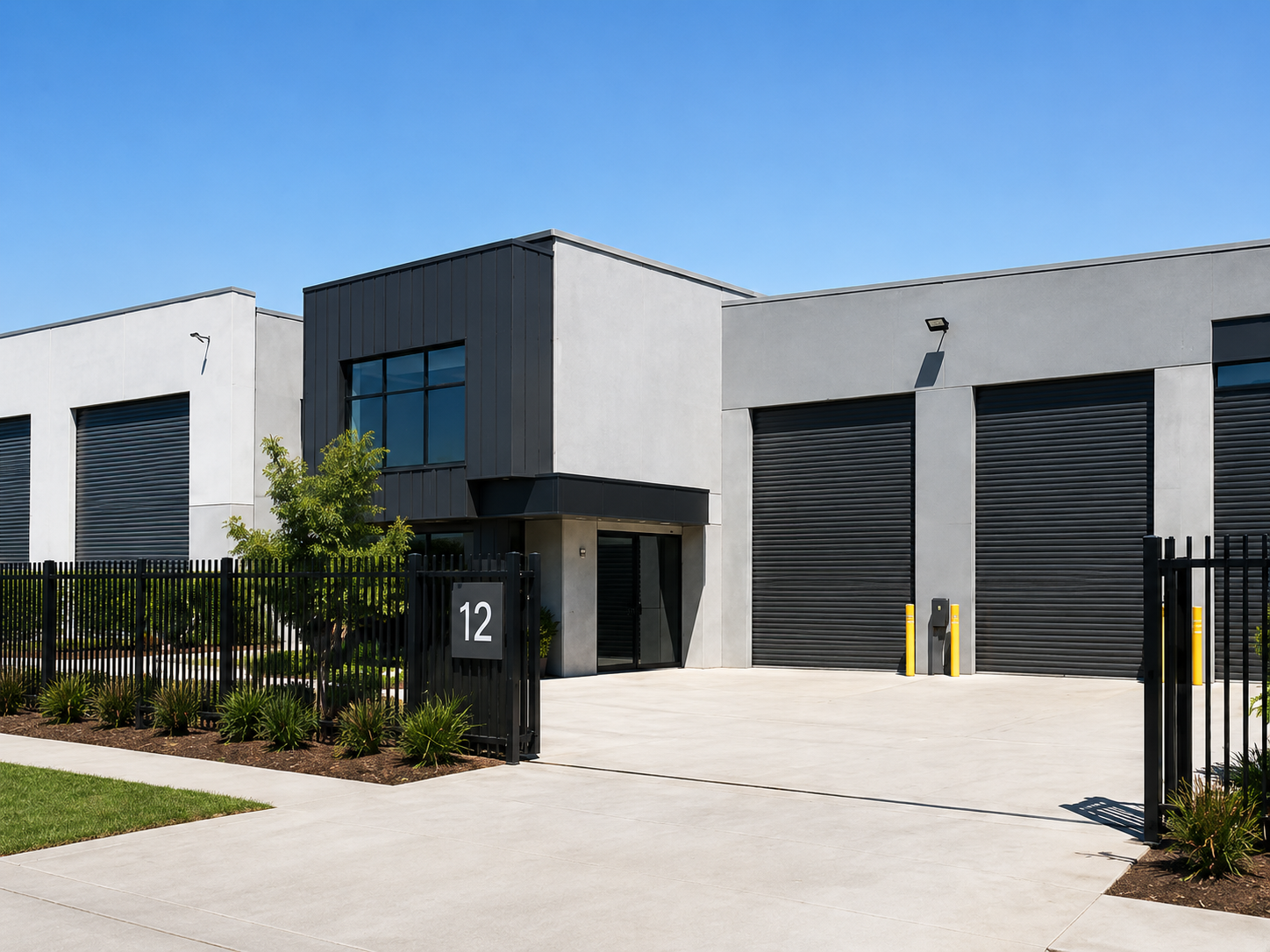
Fixed-fee scopeSmall to middle markets commercial & industrial property
ElevateIQ designed the fixed-fee product for small to middle markets commercial and industrial property. We refer assets that need a different methodology or level of investigation for a scoped engagement.
Residential property
Houses, apartments and residential investment property sit outside this commercial valuation product.
Development sites and englobo land
Planning outcomes, feasibility and staging require a separately scoped valuation.
Specialised and going-concern assets
Hotels, service stations, childcare, healthcare and similar trading assets require specialist business and property analysis.
Rural and agricultural holdings
Water, soil, carrying capacity and agricultural infrastructure require a different evidence base.
Large or complex commercial assets
Properties above the published area and tenancy bands are reviewed and quoted separately.
Outside the fixed-fee scope does not automatically mean we cannot help.Send the property details and the valuation team will confirm the appropriate scope, fee and timing.
Every valuation report applies recognised property valuation methodology, so your accountant can show how the capital gains tax cost base was reached. Owner-occupier stock takes direct comparison as primary, with capitalisation as cross-check. Investment stock takes capitalisation as primary, with direct comparison as cross-check.
Primary approach for leased investment assets. Net market income capitalised in perpetuity at a rate derived from analysed sales, with the difference between passing and market income over the unexpired term adjusted separately rather than absorbed into the rate.
Applied to all assets, and the primary approach where the asset is vacant or owner-occupied. Analysed rate per square metre of lettable or building area, and per square metre of site area where the land component dominates, adjusted for location, size, configuration, condition, tenure and market movement to 30 June 2027.
Cross-check for multi-tenanted assets where lease events across the holding period materially affect the income profile.
Owner-occupied and specialised improvements. Land value on a comparable site rate, plus improvements on a depreciated replacement basis.
Areas follow the Property Council of Australia Method of Measurement. Net lettable area for office, gross lettable area retail for shops, gross lettable area for industrial.
Net market income assessed as gross market income less outgoings not recoverable from tenants, and stated separately from passing income. Face and effective rents distinguished, with incentives amortised over the lease term.
Yields reported on an initial, equivalent and reversionary basis where the passing income differs from market.
Weighted average lease expiry calculated by income, with the basis stated.
Capital adjustments itemised as explicit deductions after capitalisation, present value of under or over rent, letting-up allowance, incentive cost, outstanding capital expenditure and vacancy.
Highest and best use considered where the existing use is not the use a market participant would adopt.
Date of valuation
30 June 2027
The date the opinion speaks to.
Evidence reviewed
The records and market data
used to support the valuation opinion.
Date of report
When the valuer signed.
Required by API practice.
Every report states its scope, assumptions and limiting conditions, including the desktop basis of assessment and any information relied on without independent verification.

Market value
$4,225,000
Adopted rate $1,975/sqm. As at 30 June 2027, signed by a Certified Practising Valuer. Specimen figures shown for illustration only.
Follow the full process from your request through to a CPV signed valuation report you can rely on for taxation, legal and insurance purposes.
1. Register
Capture the property details.
2. Prepare
Collect and analyse evidence.
3. Valuation date
Assess the market as at 30 June 2027.
4. Report
CPV reviews and signs.
5. Deliver
Receive the report.
The law fixes the date, and the work happens in stages. Here is how it runs.
The ninety-day rule, in plain terms
It is a lender convention about how long a report stays current after signing. It runs backwards from the report date, keeping your figure grounded in evidence that has already happened. A report signed in April 2027 states April value.

So the work splits. We assemble everything that does not depend on the date first, and the figure comes last. Waiting also improves the report, because sales settling near 30 June report late and a file closed in October captures evidence a file closed in early July does not.
$500 + GST, applied in full against your fee. Written terms and a confirmed delivery month.
ElevateIQ assembles title, tenancy schedule, condition record and comparable evidence ahead of the date.
The Act fixes this date, and we hold every report to it for accuracy.
ElevateIQ adds late-reporting June sales, then an AAPI Certified Practising Valuer forms the opinion and signs.
Fixed by statute. | The date is fixed, and the sequence protects the accuracy of your professional valuation report.
From $1,500 + GST per property with your managing agent's details, or from $2,000 + GST direct. A $500 + GST registration is applied in full against the fee. Answer four questions below and your fee, deposit and delivery month appear straight away.
Fill in the details to register your property
Your fee updates as you answer, and it stays on your screen until you choose to register.
Slot held from registration, no waiting for a quote.
One published fee per property, confirmed in writing.
Usually takes a few minutes. Fee confirmed in writing before you pay.
Add your managing agent's details in the form and the $500 reduction applies straight away.
Send the address first, then add the rest as your documents arrive. Your assessment starts the moment the property is registered.
Property address
Enough to open the file and hold your slot.
Ownership entity
The name the report is addressed to.
Lease details if tenanted
Current rent, term and outgoings treatment.
Recent property documents
Plans, schedules or a recent valuation if you have them.
Evidence is assembled by precinct and asset class, then analysed across the reports prepared in that batch. That reduces the marginal cost of each valuation without changing the valuation date, professional standard or signature.
We take on industrial, office, strip retail and showroom premises within a published schedule of area and tenancy bands. One published fee per property, with no scope creep at invoice.
| ElevateIQ | Traditional | |
|---|---|---|
| Signed by | AAPI Certified Practising Valuer | Certified Practising Valuer |
| Date of valuation | 30 June 2027 | 30 June 2027 |
| Evidence base | National network dataset, analysed in-house | Assembled per engagement |
| Property inspection | Desktop, with condition record and tenancy verification captured on site near the valuation date | Physical inspection by the valuer |
| Booking | Slot held from today | Subject to availability in the 2027 window |
| Example property | Market value | Traditional | ElevateIQ |
|---|---|---|---|
| Industrial warehouse2,500 sqm, 2 tenancies | $1,500,000 | $3,000 – $4,000 + GST | $1,500 + GST |
| Strip retail shop400 sqm, 1 tenancy | $800,000 | $2,000 – $3,500 + GST | $1,500 + GST |
Just note: Traditional valuation fees are indicative. Fees vary by provider, scope and location. ElevateIQ fees are per property.
If your managing agent is not already in the ElevateIQ network, add their details at registration and we reduce your fee by $500. Your fee drops to the partner rate straight away, there is no waiting and nothing to claim back.
We contact your managing agent as an introduction from you, and we say so.
If we are unable to confirm this agency manages your property, we will contact you and the direct rate will apply.
ElevateIQ produces reports in batches by precinct and asset class, and assembles the comparable evidence for each batch before production begins. We have to know which precincts we are covering before we can build the evidence for them, so the cohort closes at the end of February 2027, leaving March to build it.
ElevateIQ sets the cap against the number of reports our valuers can sign, not the number we could sell.
Registration takes about two minutes and $500 + GST secures the slot, applied in full against your fee. We confirm your delivery month by email the same day.
No subscription. One published fee, confirmed before you pay. Fee confirmed in writing before you pay.
Reviewed and signed by an AAPI Certified Practising Valuer
Every report is prepared under API professional standards and carries professional indemnity insurance, with you named as the relying party.

Everything owners like to know before registering a property, answered up front.
Clear, practical answers for commercial property owners preparing for the 30 June 2027 CGT valuation date.
A property valuation determines market value at a point in time, so your report states the 30 June 2027 value set by tax law once that date has passed. A report signed in April 2027 states an April value.
We prepare your file from April to June 2027 and sign reports between July and December 2027, which keeps the evidence accurate and your timing comfortable.
The market value in your valuation report sets the cost base your accountant uses for the post-transition component of any later capital gain. Your registered tax agent applies that figure when the property is sold or another CGT event occurs, and includes the calculation in the relevant tax return.
Holding a signed valuation report means the cost base rests on analysed property evidence rather than a formula.
The valuation is prepared on a desktop basis, with a condition record near the valuation date capturing the building and site areas, condition, access, clearance and the tenancy position near the valuation date. Our valuers then analyse comparable sales and leasing evidence to a rate, apply capitalisation of market income and direct comparison, and reconcile the approaches.
The appraisal of the property is documented in the report so your accountant can see how the figure was reached.
Your accountant makes that call, and we help by showing the difference clearly. The formula applies a uniform method, while a property valuation applies market information and evidence specific to your asset at the date.
We prepare the valuation report so your registered tax agent has both figures to compare before lodging.
Then your accountant simply applies the formula, and you still gain from holding the valuation. It gives your registered tax agent two cost base figures to compare rather than one to accept.
Owners who hold a valuation keep that choice, since evidence for a past date is captured at the time.
Fixed fee from $1,500 + GST through a partner agency, or $2,000 + GST direct. Pay $500 + GST today, applied in full against your fee, and an AAPI Certified Practising Valuer signs the report.